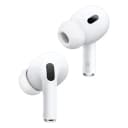
Apple
AirPods Pro 2 with Hearing Aid Feature
FDA-cleared OTC hearing aid software
A surprising share of the cheap "OTC hearing aids" in search results and marketplaces are not hearing aids at all — they're Personal Sound Amplification Products, a different kind of device with no FDA hearing-aid clearance. Here's how to tell, and why it matters.
The one-sentence version
If a product is a PSAP, it is a consumer sound amplifier — not an FDA-cleared hearing aid — no matter what the listing title says. There is no hearing-aid clearance to verify because it was never reviewed as one.
PSAP stands for Personal Sound Amplification Product. The FDA describes PSAPs as consumer electronics intended to amplify environmental sound for people who are not hearing impaired — think hearing a lecture from the back of a hall, birdwatching, or turning up faraway conversation. They are regulated as ordinary consumer audio gear, not as medical devices.
Because they aren't medical devices, PSAPs don't go through the FDA review that hearing aids do. They aren't held to the OTC hearing-aid requirements for output limits, distortion, or self-fitting to a hearing loss. None of that makes a PSAP a scam — it makes it a different product for a different job.
A hearing aid — OTC or prescription — is an FDA-regulated medical device intended to compensate for impaired hearing. OTC hearing aids must meet specific FDA requirements (21 CFR 800.30) on maximum output and design so they safely serve perceived mild-to-moderate loss. That regulatory line — "for hearing loss" versus "for amplification" — is the whole distinction, and it's why the device you choose should match whether you actually have hearing loss.
Before 2022 there was no OTC hearing aid category, so amplification products often used careful language to sell to people with hearing loss without claiming to be hearing aids. The OTC rule tightened labeling, but the incentive didn't disappear: "hearing aid" in a product title plus a $40-$100 price still draws clicks. The result is marketplaces full of listings titled "OTC hearing aids" that, in the fine print, are PSAPs with no clearance behind them.
On HearingAidMatch, products we've identified as PSAPs — examples include the Otofonix line and the Audien EV1/EV3 — carry a red pathway badge and are excluded from our matcher and "best OTC" lists. We still document them so you can recognize what they are, not bury them.
If you have normal hearing and want situational amplification, a good PSAP is a reasonable, inexpensive tool. If you have actual hearing loss— even mild — a device cleared as a hearing aid is the right choice, because it's designed and regulated to serve that loss safely. And for sudden, one-sided, or painful hearing loss — or any loss in a child — see a doctor first; that's a medical question, not a shopping one.
Not sure which describes you? The severity quiz gives a free estimate, and OTC vs prescription hearing aids walks through the cleared-device options. To see exactly how each product is classified, the 9 FDA pathways guide shows where PSAPs sit relative to genuine OTC and prescription devices.
If you were considering a PSAP because of price: these are the least expensive genuinely cleared OTC hearing aids in our database. They cost more than a $50 amplifier — that's the price of an actual cleared device for actual hearing loss.
Apple
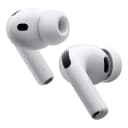
Apple
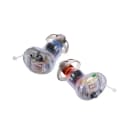
Lucid Hearing
Picks are based on FDA regulatory pathway, price, and severity fit from our verified product database — not on which brand pays the most.
A hearing aid is an FDA-regulated medical device intended to compensate for impaired hearing. A PSAP — Personal Sound Amplification Product — is a consumer-electronics product intended to amplify sounds for people without hearing loss, in situations like birdwatching or hunting. PSAPs are not reviewed by the FDA as hearing aids, carry no hearing-aid clearance, and are not held to the output, distortion, or self-fitting requirements that OTC hearing aids must meet.
Often, yes — and that's the problem. Many products marketed online as 'OTC hearing aids' are actually PSAPs that have no FDA hearing-aid clearance. The 2022 OTC rule tightened labeling, but enforcement is imperfect, and a low price plus 'hearing aid' in the title still frequently points to a sound amplifier rather than a cleared device. Always check for a specific FDA clearance, not just the marketing label.
It can be. PSAPs amplify broadly rather than shaping amplification to your specific hearing loss, and many lack the output limits that protect against over-amplification. For genuine hearing loss, a PSAP may under-serve quiet speech, over-amplify loud sounds, and delay a proper evaluation that could catch a treatable cause. If you have hearing loss, a device cleared as an OTC or prescription hearing aid is the appropriate tool.
When you have normal hearing and want situational amplification — hearing a distant speaker, birdsong, or a TV from across the room. That's the use the FDA describes for PSAPs, and a good one is fine for it. The trouble is only when a PSAP is bought as a substitute for a hearing aid by someone who actually has hearing loss.
Look for an FDA clearance, not a slogan. A real OTC hearing aid will reference a 510(k) K-number (product code QUH or QDD), a De Novo DEN number, or a named 510(k)-exempt OTC category (QUG/QUF). It will use the words 'hearing aid' and describe self-fitting to your hearing. A PSAP will describe 'sound amplification,' often avoids claiming to treat hearing loss in the fine print, and has no hearing-aid clearance to cite. When in doubt, search the FDA 510(k) database for the brand.