Apple
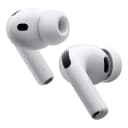
AirPods Pro 3 with Hearing Aid Feature
FDA-cleared OTC hearing aid software
Tool
Three questions. We route you to the right channel — FDA-cleared OTC self-fit, Costco prescription, an audiologist, or (if symptoms warrant) an ENT physician.
This is the lighter cousin of the Audiogram Interpreter — use this if you don't have an audiogram yet, and the Interpreter if you do. Prefer the background first? Read how OTC vs prescription actually works.
Pick the option closest to your day-to-day experience.
FDA-mandated red flags (21 CFR 800.30) that should be evaluated by a professional before OTC self-fitting.
Answer all three questions to enable the recommendation.
Most people who run this tool come out in the OTC-suitable range. These three are our standing picks for mild-to-moderate loss.
Apple
At $199-$249 with FDA-cleared hearing aid software (DEN230081), the AirPods Pro 3 turn an iPhone you may already own into a legitimate mild-to-moderate hearing aid. Lowest-risk way to start.
Lexie
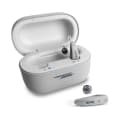
Bose-tuned, rechargeable, self-fitting via the Lexie app, with a 45-day trial. $899 — a fraction of the audiologist price for the same mild-to-moderate range.
Sennheiser
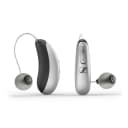
Built by Sonova (the company behind Phonak), the All-Day Clear is a true QUH self-fit hearing aid with Bluetooth streaming and a 2-year warranty — around $949 street.
Picks are based on FDA regulatory pathway, price, and severity fit from our verified product database — not on which brand pays the most.