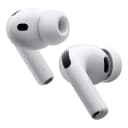
Apple
AirPods Pro 3 with Hearing Aid Feature
FDA-cleared OTC hearing aid software
Over-the-counter hearing aids run roughly $100 to $1,500 a pair— a fraction of the $2,000-$6,000 prescription route. Here's what each price tier actually buys, what drives the cost, the ongoing costs people forget, and how HSA/FSA dollars quietly cut the price.
Want the all-in number for a specific model? The total cost calculator adds consumables and battery costs over the device's life.
In 2026, a pair of over-the-counter hearing aids typically costs between $100 and $1,500. That single range spans very different devices, so the useful question isn't "what's the price" but "what does each tier buy." Prescription hearing aids, for contrast, run $2,000-$6,000 a pair — and the gap is mostly professional services, not better electronics.
| Tier (per pair) | What you get |
|---|---|
| ~$100-$300 | Entry self-fitting devices and basic amplifiers — including AirPods Pro 3 (~$199-$249), the cheapest FDA-authorized option. Watch for PSAPs mislabeled as hearing aids here. |
| ~$300-$1,000 | App-based self-fitting tuned to a hearing test, rechargeable batteries, multiple listening programs, often Bluetooth streaming. |
| ~$1,000-$1,500 | Premium OTC nearing entry-level prescription performance — refined noise handling, better feedback control, fuller app control. |
| $2,000-$6,000 | Prescription (for comparison): device plus the audiologist exam, custom fitting, and follow-up visits bundled in. |
Typical 2026 street prices; actual pricing varies by brand and channel. Verify current pricing before purchase.
Within the OTC range, price tracks two things: features and fitting. Cheaper devices use preset programs or simple amplification; as you move up, you pay for app-based self-fitting that tunes the device to your own hearing test, rechargeable batteries, multiple environment programs, Bluetooth streaming, and better feedback (whistle) control. The brand and sales channel matter too — direct-to- consumer brands often undercut retail.
The trap at the bottom of the range: some very cheap products sold as "OTC hearing aids" are actually PSAPs— personal sound amplifiers that aren't FDA-cleared hearing aids. A $30 amplifier and a $300 OTC hearing aid are not the same thing, even when they're listed side by side.
Hearing aids are a qualified medical expense, so OTC hearing aids — and their batteries, domes, and wax guards — can generally be bought with pre-tax HSA or FSA funds. That effectively discounts the purchase by your tax rate, often 20-30%. Some retailers take HSA/FSA cards directly; otherwise save the receipt for reimbursement. Because FSA dollars are frequently use-it-or-lose-it at year-end, an OTC hearing aid is a common way to spend down a balance. Confirm the details with your plan, and use our insurance coverage checker for how the major programs treat hearing devices.
The sticker price isn't the whole story. Budget a few dollars a month for replaceable domes and wax guards, plus either disposable batteries or eventual battery wear on rechargeable models. Over a typical 3-5 year lifespan these stay modest next to the device itself, but they're worth comparing between models — our total cost calculatorestimates the all-in cost over time so a cheaper device with pricey consumables doesn't fool you.
FDA-cleared OTC hearing aids for perceived mild-to-moderate loss, in ascending price order. Same picks we recommend site-wide; severity fit verified against each product's cleared range.
Apple
At $199-$249 with FDA-cleared hearing aid software (DEN230081), the AirPods Pro 3 turn an iPhone you may already own into a legitimate mild-to-moderate hearing aid. Lowest-risk way to start.
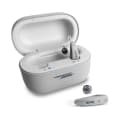
Lexie
Bose-tuned, rechargeable, self-fitting via the Lexie app, with a 45-day trial. $899 — a fraction of the audiologist price for the same mild-to-moderate range.
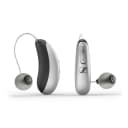
Sennheiser
Built by Sonova (the company behind Phonak), the All-Day Clear is a true QUH self-fit hearing aid with Bluetooth streaming and a 2-year warranty — around $949 street.
Picks are based on FDA regulatory pathway, price, and severity fit from our verified product database — not on which brand pays the most.
Over-the-counter hearing aids generally run from about $100 to $1,500 per pair in 2026. The low end (roughly $100-$300) covers basic amplifiers and entry self-fitting devices — including Apple's AirPods Pro 3 at $249 list (often about $199 street), the cheapest FDA-authorized option. The middle ($300-$1,000) buys app-based self-fitting, rechargeability, and better noise handling, and the premium tier ($1,000-$1,500) approaches entry-level prescription performance. By comparison, prescription hearing aids typically cost $2,000-$6,000 a pair including professional services.
Yes, substantially — usually a quarter to half the price. Prescription pricing bundles the device with an audiologist's exam, custom fitting, and follow-up visits into one number ($2,000-$6,000 a pair). OTC pricing unbundles that: you pay for the hardware (about $100-$1,500) and handle the fitting yourself, sometimes with remote support. You're not necessarily paying less for the electronics — many OTC devices share components with prescription lines — you're paying for fewer professional services.
Generally yes. Hearing aids are a qualified medical expense, so you can typically buy OTC hearing aids and their batteries and accessories with pre-tax HSA or FSA funds, which effectively discounts them by your tax rate. Some retailers accept HSA/FSA cards directly; otherwise keep the receipt for reimbursement. Confirm specifics with your plan administrator, and note FSA funds are often use-it-or-lose-it by year-end.
Price tracks features and fitting. The cheapest devices use preset programs or simple amplification; mid-range and premium devices add app-based self-fitting tuned to your hearing test, rechargeable batteries, multiple environment programs, Bluetooth streaming, and better feedback control. One caution: some very cheap products marketed as 'OTC hearing aids' are actually PSAPs (personal sound amplifiers), which aren't FDA-cleared hearing aids — see our PSAP vs hearing aid guide before buying on price alone.
Original Medicare (Parts A and B) does not cover hearing aids, OTC or prescription. Some Medicare Advantage plans, private insurance, the VA, and Medicaid programs offer hearing benefits, but these usually apply to prescription devices from approved providers rather than retail OTC purchases. The most reliable way to lower an OTC purchase price is HSA/FSA dollars; check your specific plan with our insurance coverage checker.
Beyond the purchase price, plan for consumables: replaceable domes and wax guards (a few dollars a month), and either disposable batteries (for non-rechargeable models) or eventual battery wear on rechargeable ones. Over a typical 3-5 year life these add up but stay modest compared with the device. Our total-cost calculator estimates the all-in cost over time so you can compare models fairly.